Welcome to Relax The Back
Bloomfield Hills
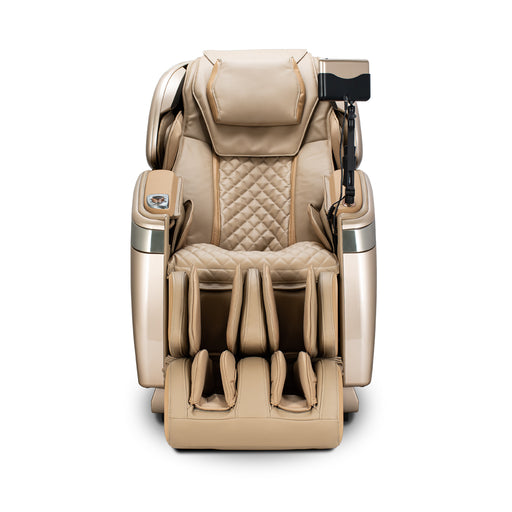
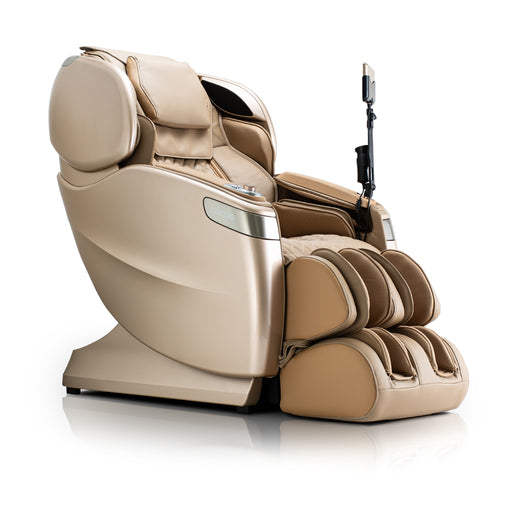
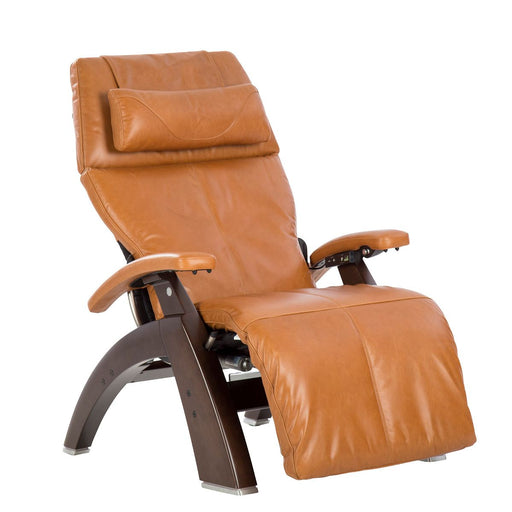
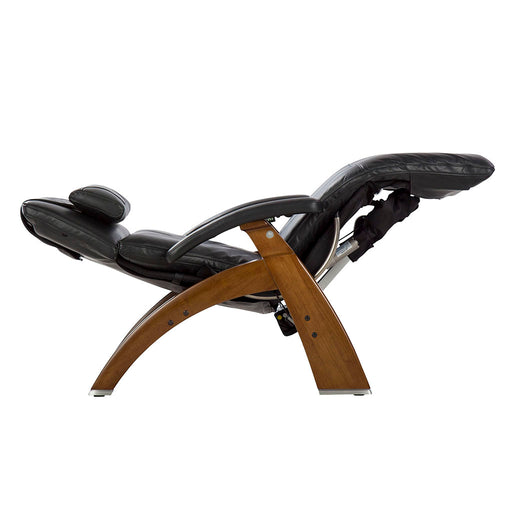
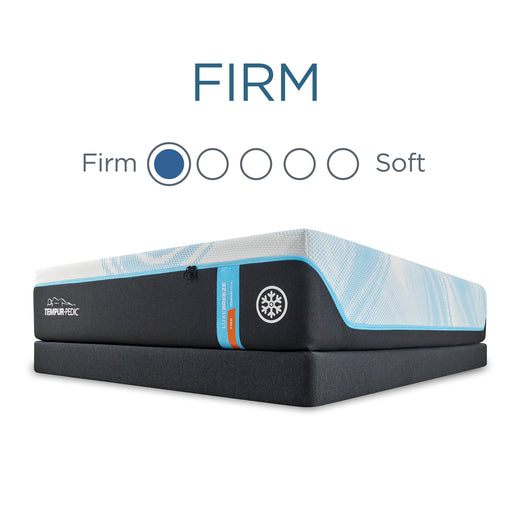
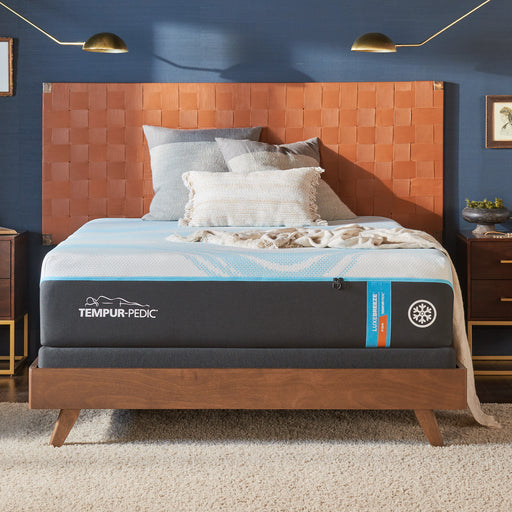
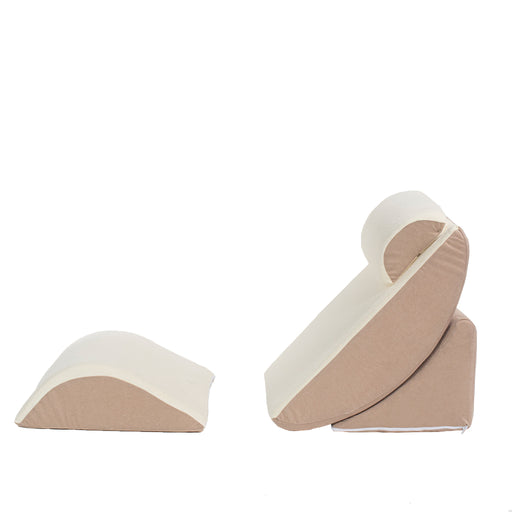
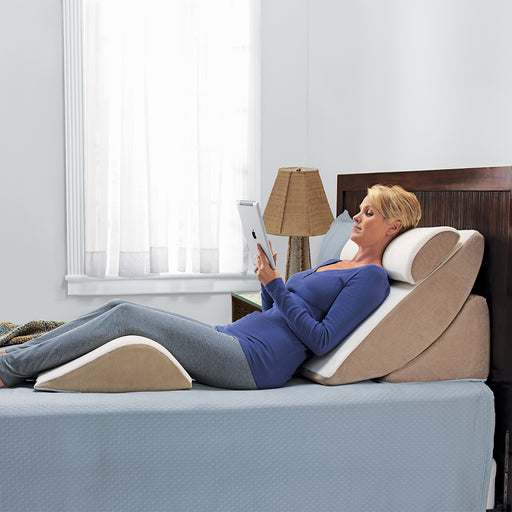
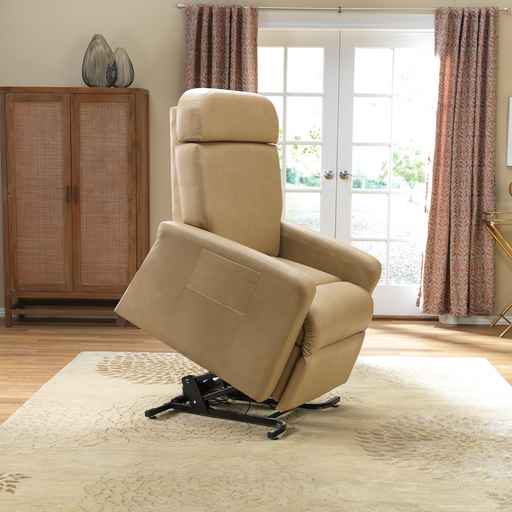
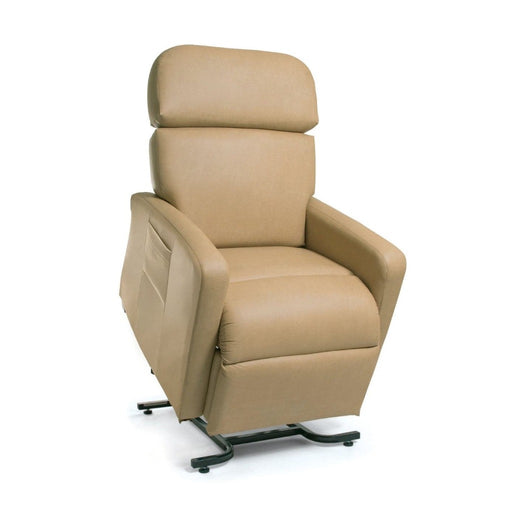
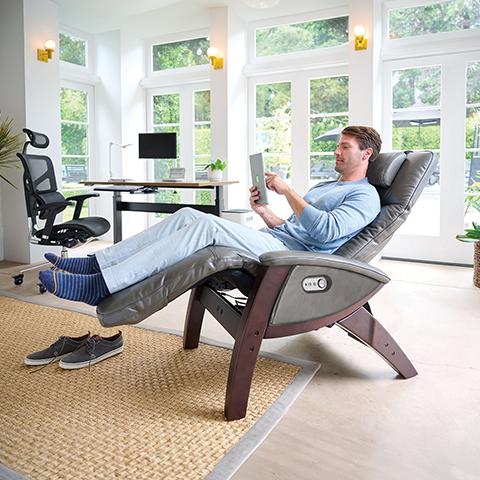
Relax The Back is the place to go for your back relaxation needs. When one thinks of back relaxation, what comes to mind is different for each individual valued customer. Our back store experts know that relaxation, pain relief, and comfort can mean an enormously vast range of things. That’s why our available selection of neck and back comfort products is so robust.
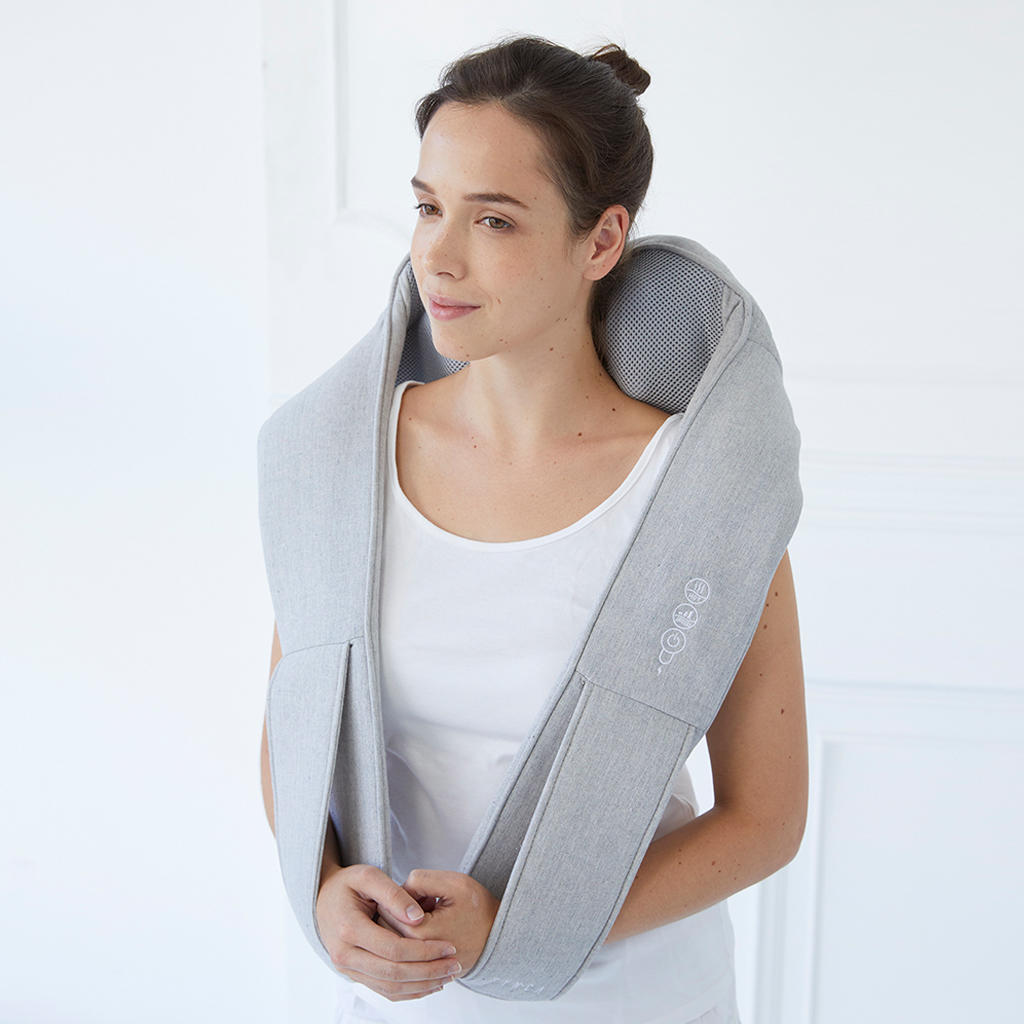
For some, relaxing is about fully decompressing clearing your mind. With everything from the dreamy floating-on-air quality of our Tempur-Pedic pillows to the convenience of our soothing portable Tappymed handheld massager, Relax The Back can give you the opportunity to de-stress and enjoy tremendous relaxation. It’s like going on a vacation from the comfort of your own home.
For others, relaxing is about releasing muscle tension and discomfort so you can stay focused, alert, and accomplish all that you need and want to get done. Our office products include an array of ergonomic chairs, home and office workstations, and more. These will enable you to relieve the tension in your body so that you can work more happily and efficiently toward achieving your goals, whatever they may be.
In addition to finding the right back relaxation products for the home and office, many people also want to actively participate in the beneficial process of back and neck relaxation. If that sounds like you, make sure to check out our fitness and therapy products, which can help you increase strength, balance, muscle tone, and more.
Shop a wide selection of back pain relief and back comfort products at Relax The Back. Come visit our convenient Bloomfield Hills Relax The Back location at 6566A Telegraph Rd., and we’ll help you find whatever type of relaxation your back needs.
RTB Facebook
March 8th 2013, 02:05
At Relax The Back we believe in 24 hour spine health; proper support and posture while sleeping, at the office, daily chores, relaxing at home, traveling, and fitness. Over the next few months, I'll share the benefits of a number of products that support 24 hour spinal health.
Let's start with a simple pillow.
A pillow should keep your neck aligned with your spine. It should cradle your neck and head.
A perfect example is a contour pillow.
It is specifically designed to:
o Cradle and conform to the head, neck, and shoulders allowing the muscles to relax, offering pressure relief
o Provide support to promote lordosis and neutral posture of the cervical spine, thus promoting central positioning of disc material and lowering disc pressure
o Provide continuous support, regardless of whether sleeping on back or side
o Reduce pressure points to the shoulder and neck, to minimize tossing and turning and reduce morning pain and stiffness
o Improve sleep quality, which is essential for physical, mental, and emotional well-being. (Nighttime pain is the number one reason for loss of sleep.) Improved sleep quality promotes healing.
December 14th 2012, 11:50
A reminder to practice good workplace ergonomics and simple ways to avoid back and neck pain from Mark R. McLaughlin, MD; reviewed by Curtis A. Dickman, MD...
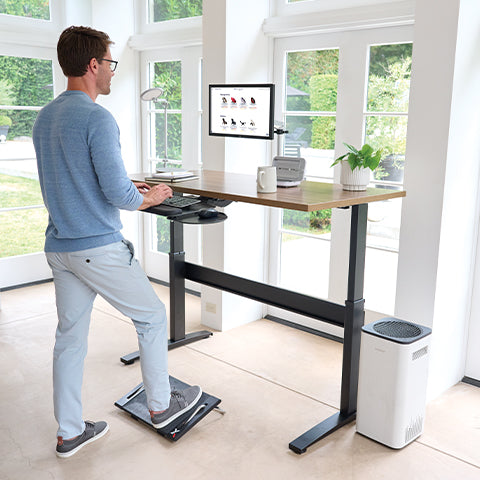
Setting up your office work space to avoid excessive back and neck strain is easier than you may think. Start by sitting in your chair facing forward with perfect posture. While seated, build the work environment around you. In other words, position each piece of furniture and equipment to accommodate your perfect posture. You may need to stack several books under your computer's monitor to bring it to eye-level. Perhaps a sliding keyboard attachment can make typing less stressful.
Remember, work might be a pain, but it doesn't have to cause pain! Imagine still feeling refreshed at the end of the workday. Here are 5 things you should know to make sure your office is good for your spine to help prevent back and neck strain and pain.
1. Practice safe sitting: Even with the best equipment, if you're not sitting correctly, your spine will suffer. When sitting, note where your head, hands, and legs are. To avoid back pain, make sure to do the following.
- Sit upright with your back and shoulders against the back of the chair.
- Avoid holding your phone between your head and shoulder.
- Don't slouch.
- Arms should rest lightly on the armrests to avoid circulatory problems or nerve pressure.
- Keep your feet flat on the floor. (Don't cross your legs!)
- Relax your shoulders while typing.
Extra Set-Up Tip!
Spend a lot of time on the telephone? Then consider using a hands-free headset to prevent neck and shoulder pain.
2. Chair: Use a well-constructed ergonomic chair to help reduce fatigue and discomfort, increase your blood flow, and reduce the risk of injury to your neck and spine. These usually cannot be ordered by mail or off the Internet. This is one product that should be tried in the store so you know how it feels before buying it. Make sure your office chair:
- has a good backrest that provides lumbar support
- can recline (Sitting upright at a 90º angle is actually not good for your spine; a 100º to 110º angle is better.)
- is not too high (Your feet should be flat on the floor.)
- can rotate or swivel so that you can easily switch from task to task
3. Make sure your desk is:
- stable (not wobbly)
- at a good height (28" to 30" above the floor is suitable for most adults.)
- large enough for your computer and has surface space for writing and other tasks
- not so large that you have to over-reach to do your work (This can cause excessive strain on the spine.)
4. Computer: Since so much office work is done on computers, where your equipment is placed can make a difference in how your back feels when you are at work. Try the following tips.
- Tilt the keyboard down and slightly away from you for better wrist posture.
- Make sure your mouse is close enough so that you can use it with your arms relaxed, and let it be as close to your body as possible.
- Place the monitor directly in front of you at eye level, not off to one side, to avoid neck and eye strain.
- If using a laptop, consider getting an external monitor or keyboard (or both). This will allow you to move each of these components separately to create a comfortable arrangement.
5. Take a break: Not just a coffee break, but a spine break. Stretch, take a short walk, get the blood flowing. When you are at your desk, avoid staying in one position for a long time. Try switching between sitting and standing.
September 27th 2012, 00:45
A great overview of our neck...a remarkable structure...and the center of pain for many...
Cervical Pain
Written by Iain Kalfas, MD
What is Cervical Pain?
The cervical spine is a marvelous and complex structure. It is capable of supporting a head weighing 15 or more pounds while moving in several directions. No other region of the spine has such freedom of movement. This combination however, complexity and mobility, make the neck susceptible to pain and injury.
This complex structure includes 7 small vertebrae, intervertebral discs to absorb shock, joints, the spinal cord, 8 nerve roots, vascular elements, 32 muscles, and ligaments.
The nerve roots stem from the spinal cord like tree branches through foramen in the vertebrae. Each nerve root transmits signals (nerve impulses) to and from the brain, shoulders, arms, and chest.
A vascular system of 4 arteries and veins run through the neck to circulate blood between the brain and the heart. Joints, muscles, and ligaments facilitate movement and serve to stabilize the structure.
Neck mobility is matchless. It is capable of moving the head in many directions: 90 degrees of flexion (forward motion), 90 degrees of extension (backward motion), 180 degrees of rotation (side to side), and almost 120 degrees of tilt to either shoulder.
The causes of neck pain are as varied as the list is long. Consider a few examples:
Everyday Life:
Poor posture, obesity, and weak abdominal muscles disrupt the spine's balance often causing the neck to bend forward to compensate. Stress and emotional tension can cause muscles to tighten and contract resulting in pain and stiffness.
Injury and Accidents:
Whiplash is a common injury sustained during an auto accident. This is typically termed a hyperextension and/or hyperflexion injury because the head is forced to move backward and/or forward rapidly beyond the neck's normal range of motion. The unnatural and forceful movement affects the muscles and ligaments in the neck. Muscles react by tightening and contracting creating muscle fatigue resulting in pain and stiffness.
Growing Older:
Degenerative disorders such as osteoarthritis, spinal stenosis, and degenerative disc disease are known to affect the spine. Osteoarthritis is a common joint disorder causing progressive deterioration of cartilage. The body reacts by forming new bone termed osteophytes (bone spurs) that impact joint motion. Spinal stenosis causes the foramen, small neural passageways, to narrow possibly compressing and entrapping nerve roots. Stenosis may cause neck, shoulder, and arm pain and numbness when these nerves are unable to function normally. Degenerative disc disease (DDD) can cause the intervertebral discs to become less hydrated resulting in decreased disc elasticity and height. Over time, a disc may bulge or herniate causing upper extremity pain, tingling, and numbness.
Other Disease Processes:
Although neck pain is commonly caused by strain, prolonged pain and/or neurologic deficit may be an indication of something more serious. These symptoms should not be ignored. Spinal infection, spinal cord compression, tumor, fracture, and other disorders can occur. If head injury has been sustained, more than likely the neck has been affected too. It is wise to seek medical attention promptly.
Follow Us:
Bloomfield Hills
Visit Our Store:
Monday - Wednesday: 10 am - 7 pm
Thursday - Saturday: 10 am - 8 pm
Sunday: 12 pm - 5 pm
Call Now: 248.865.3380